Mining project experience, read by scope.
Mining project experience is useful when it helps you judge relevance. Mineral, capacity, project stage, geography and responsibility all matter. The examples below come from Xinhai Mining's current capability and service brochures. They do not imply that two ore bodies—or two contracts—are the same. Use them to frame the questions you want answered about your own project.
Discuss your project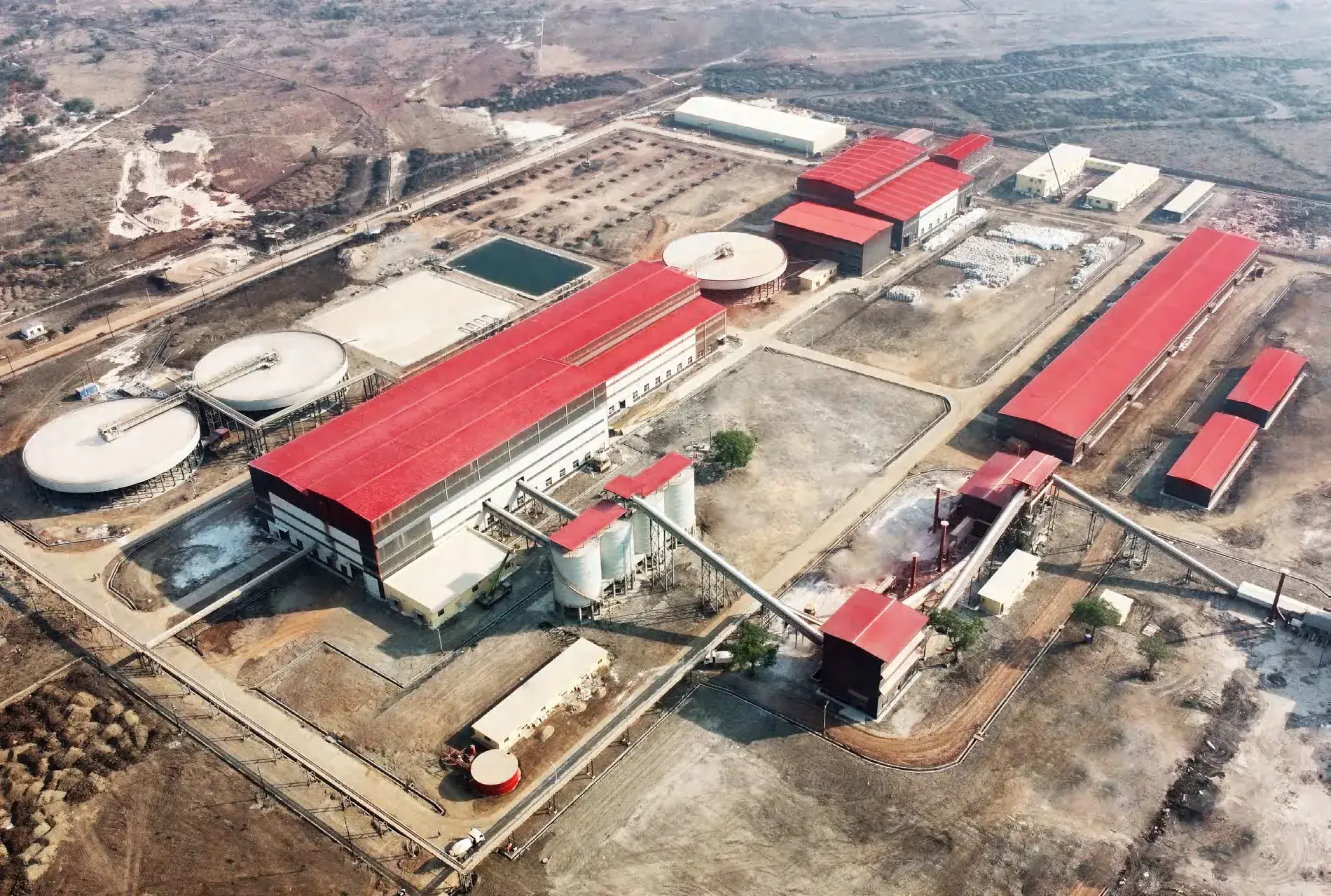
Guinea — 15,000 t/d gold processing EPC project
Xinhai's integrated services brochure lists a 15,000 t/d gold processing EPC project in Guinea.
What does that tell a project owner? First, the scope sits beyond the supply of a single machine. A plant at this scale needs process definition, equipment coordination, utilities, civil and structural integration, installation planning and commissioning readiness. Second, location is part of engineering. Logistics, local construction conditions, site services and operating support can shape the delivery plan as much as the process equipment does.
Ask Xinhai for the project details that match your evaluation criteria. The public record establishes the project and scale. Your due diligence should establish comparability.
Official referencesXinhai Mining reference 1
Discuss a gold projectZimbabwe — 2 million t/a lithium processing project
The Zimbabwe lithium project is documented as a 2 million tonne-per-year spodumene processing EPC project. The 2026 construction brochure reports 12 months from testwork to production. That is an attributed record of this project, not a schedule promise for another site.
The published scope connects research and design with equipment supply, construction and commissioning. For project teams, the case puts the focus on overlapping workstreams. Test results have to reach design. Approved information has to reach manufacturing and procurement. Site teams need controlled releases, current vendor data and a clear owner for every interface.
Ask how those dependencies would be structured for your project. Site readiness, permitting, logistics, ore response, financing and contract boundaries differ every time. The case proves the listed scope was undertaken; it does not set your timetable.
Official referencesXinhai Mining reference 1
Discuss a lithium projectPakistan — 1,500 t/d copper processing plant design
Xinhai's integrated services brochure lists a 1,500 t/d copper processing plant design in Pakistan. The public claim is specific about mineral, capacity, country and design scope. It does not say that Xinhai built or operated the plant, so this site should not imply that it did.
Design work at this stage connects the process route to equipment sizing, layout, civil loads, water and power, control requirements and material take-offs. For a copper project, the process questions may include mineral assemblage, liberation, flotation response, concentrate quality and water chemistry. The answer comes from the ore data—not from this case summary.
The useful comparison for your team is scope. Are you looking for a flowsheet and equipment list, a feasibility package, basic engineering or issued-for-construction drawings? Do you have site survey, geotechnical, hydrology and utility data? Which standards and local review requirements apply?
A precise brief prevents the word “design” from hiding five different expectations.
Official referencesXinhai Mining reference 1
Discuss a processing plant designTanzania — 3,000 t/d graphite TSF design
A 3,000 t/d graphite tailings storage facility design in Tanzania appears in Xinhai's 2026 integrated services brochure. This is a useful reminder that the project boundary extends past the processing plant.
A TSF design depends on far more than plant throughput. Tailings characterisation, water balance, topography, geotechnical conditions, climate, deposition strategy, return-water arrangements, closure intent and local requirements all belong in the basis of design. The processing route matters too because it determines what the tailings stream actually is.
Xinhai's design material describes dedicated work for mining, processing and tailings facilities, supported by coordination across geology, civil, structural, electrical, water and other disciplines. For owners, that interface is critical. Changes in thickening or filtration can alter pumping, storage and water return. A site layout decision can affect pipeline length and elevation.
If your tailings question is still early, send the information you have and list the gaps. The next scope may be data collection and studies before detailed design.
Official referencesXinhai Mining reference 1
Discuss a TSF design scopeGhana — gold mining and processing contracting and operation
Xinhai's company capability brochure lists a Ghana gold mining and processing contracting and operation project. No capacity is stated in the cited project list, so none is added here.
Operation work has a different risk profile from design or equipment supply. The baseline condition of the asset matters. So do ore supply, workforce capability, maintenance backlog, consumables, operating procedures, laboratory discipline and the reliability of historical data. A commercial model cannot be judged without those inputs.
Xinhai's published operation scope can cover production, equipment, safety, environmental, human-resource and financial management. It also describes technical support, spare parts and consumables. The exact boundary is negotiable and project-specific.
For an owner considering contract operations, begin with the outcome you are trying to change and the authority an operator would have. Then define the measures. Throughput, recovery, grade, availability, cost and safety are connected; pushing one can move another.
Official referencesXinhai Mining reference 1
Discuss contract operationsWhat should a comparable project conversation cover?
Bring the project stage, mineral, country, target capacity and available technical reports. Add the scope you are comparing: testwork, design, equipment, EPC, management or operations. If you have a schedule target, explain what sits behind it. If you have a budget range, name its boundary and currency date.
Then ask hard questions. Which references match the mineral and process route? Which match the delivery model? What work was performed directly? Which risks remained with the owner? What data would Xinhai need before giving a technical view?
A credible case discussion gets narrower as it becomes more useful. That is the point.
Official referencesXinhai Mining reference 1
Share your project brief